
Elbow Pain Care in Brentwood Bay
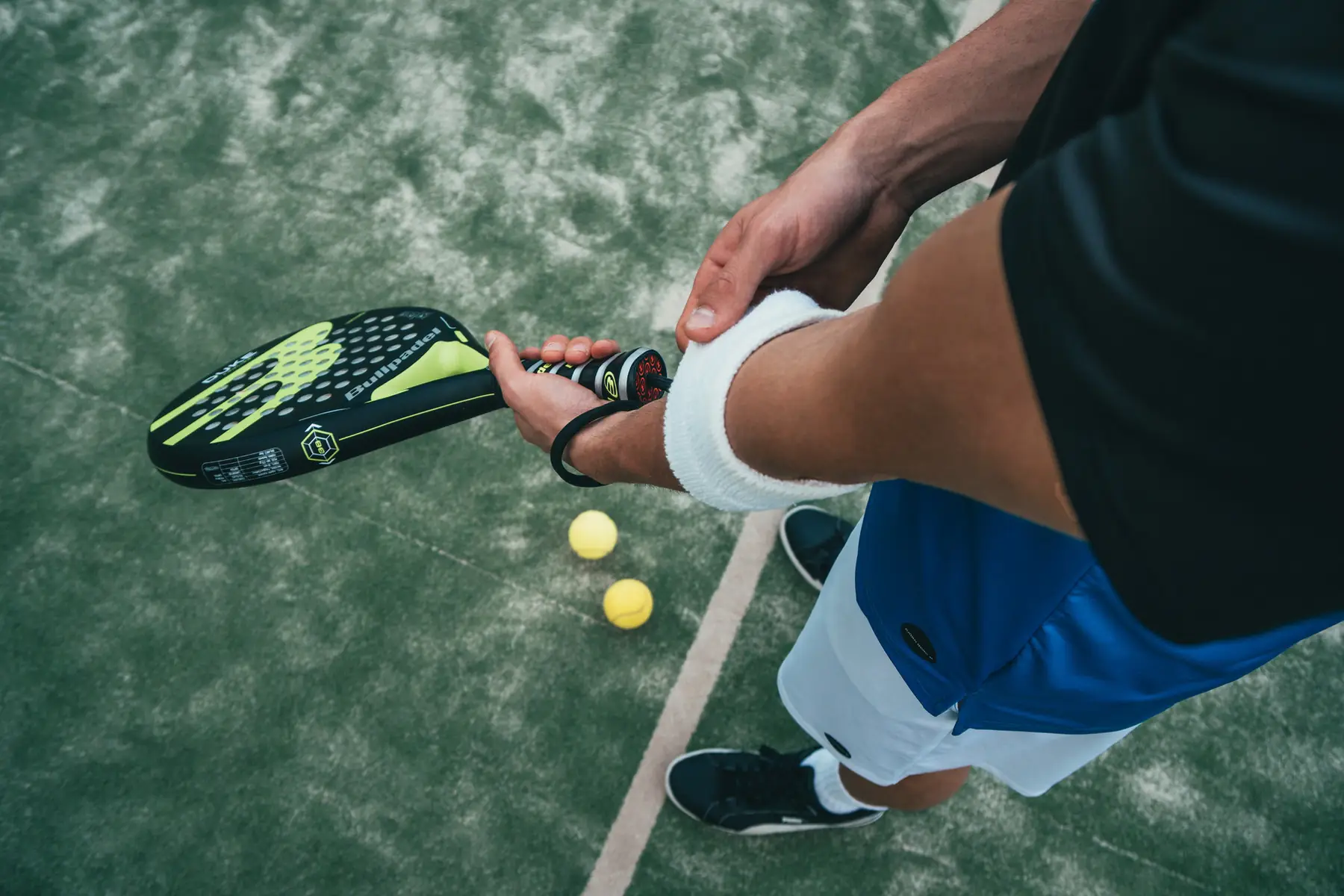
Elbow pain often shows up during everyday jobs: lifting a kettle, pulling weeds, wringing out a cloth or gripping a hammer. Pain on the outside of the elbow is often called tennis elbow, and pain on the inside golfer’s elbow, though most people who get them don’t play either sport.
These are usually tendon problems that build when the forearm muscles are asked to do more than they’re ready for. Our chiropractors and massage therapists assess the elbow, wrist, shoulder and neck, then put together a plan that aims to calm things down and gradually build the tendon’s tolerance for load.
No referral needed. Online booking 24/7, or call the front desk and we will find you a time.








How elbow tendon pain develops
The muscles that grip and turn the wrist attach to small areas of bone on either side of the elbow. When gripping or twisting suddenly increases, say a weekend of pruning, a new tool at work or more hours on a mouse, the tendon can’t keep up and becomes sore and sensitive.
Tendons respond slowly, so pain may linger for weeks or months. Rest alone often eases it for a while but doesn’t build strength, so the pain can return when the workload does. That’s why most plans centre on gradually loading the tendon.
Outside, inside, or somewhere else?
Tennis elbow (outer elbow)
Pain on the outside of the elbow, often worse gripping with the palm down, lifting a bag or turning a stiff tap. Trades, keyboard work and racquet sports are common triggers.
Golfer’s elbow (inner elbow)
Pain on the inside of the elbow, often worse gripping with the palm up, carrying or swinging. Golf, throwing and heavy lifting can all set it off.
Nerve irritation
Tingling into the ring and little fingers, or into the thumb side of the hand, suggests a nerve may be involved. For hand symptoms, see our page on carpal tunnel.
What care looks like
- Assessment. Grip strength, resisted movements, tenderness and nerve checks, plus a look at the shoulder and neck.
- A loading plan. Exercises that start where the tendon is comfortable and build up step by step. Exercise has research support for elbow tendon pain, and it forms the core of most plans.
- Soft tissue work. ART, instrument-assisted techniques and massage therapy for the forearm, upper arm and shoulder.
- Bracing and taping. A forearm strap or tape can take some strain off the tendon during work or play.
- Acupuncture. Some people add acupuncture with our Registered Acupuncturist.
- An option for long-standing cases. Shockwave has research support for some chronic tendon problems. If your elbow hasn’t settled with exercise and hands-on care, it’s available at our Saanichton clinic. Learn about shockwave therapy.
Tweaks that take the strain off
Grip a little lighter and a little wider. Padded handles on garden tools, a thicker grip on a racquet or golf club, and lifting with the palm facing up for tennis elbow (or down for golfer’s elbow) can spread the load.
If you work at a desk, keep the mouse close and the wrist relaxed. Tradespeople can rotate tasks through the day. Paddlers on the Saanich Inlet might try a looser hold on the shaft. A few minutes of gentle movement before a big session in the garden or on the course is usually better than none.
Frequently asked questions
Should I rest my arm completely?
Usually not. Easing off the jobs that flare it while keeping the arm moving and doing your exercises tends to work better than total rest. We’ll help you find a level of activity the tendon tolerates.
How quickly might it improve?
Tendons change slowly, so expect gradual progress over weeks rather than days. We measure grip and pain as we go and adjust the plan if things aren’t moving.
Does tennis elbow mean giving up my racquet?
Most people keep playing with changes, such as shorter sessions, a different grip size or adjustments to technique. We’ll talk through how to manage your load.
My elbow flared up at work. Is that covered?
If it’s related to your job, WorkSafeBC may cover your care, and we bill them directly. Bring your claim number and see our WorkSafeBC page.
Do I need a referral?
No. You can book online 24/7 or call 250 223 0200. We’re open Monday to Saturday, 8am to 6pm.


Ready to book in Brentwood Bay?
Open Monday to Saturday, 8:00am – 6:00pm. Direct billing to most extended health plans, ICBC and WorkSafeBC.