Looking for a sports chiropractor in Brentwood Bay? See sport chiropractic at our clinic.
Most athletes we see in Brentwood Bay aren’t looking for a quick crack before a game. They want to keep training, stay on the field or trail, and understand why the same niggle keeps coming back. Chiropractic care can play a useful part in that, as one piece of a plan that also includes smart training, strength work, sleep and a sensible return after injury.
This article looks at where a chiropractor fits across a season, what injury prevention really involves, and how our team works together when you’re hurt.
What a Chiropractor Brings to an Athlete’s Program
Chiropractors are trained to assess and treat the joints, muscles, tendons and nerves of the whole body, not only the spine. For athletes, that usually means three jobs:
- Working out what’s going on. A sore hamstring, a stiff mid-back or a cranky shoulder can have more than one contributor. A careful assessment looks at the painful area and at how the rest of the body is moving and loading it.
- Hands-on care to help you move. Joint mobilization and manual adjustment, soft tissue work such as ART and Graston-style instrument work, and taping can help ease pain and stiffness so you can train with better quality.
- Exercise and load advice. Treatment on the table is only part of it. Most plans include specific exercises and guidance on how much running, lifting or playing to do while things settle.
Our sport chiropractic visits are built around those three jobs, with the aim of keeping you active wherever it’s reasonable.
Across the Season: When Chiropractic Care Fits In
Pre-season
The weeks before a season are a good time for a movement check. We look at mobility, strength differences between sides, balance, and how you handle the positions your sport demands, such as single-leg landing for soccer or rotation for golf. Old injuries that never fully recovered often show up here. The goal is a short list of things to work on, not a long list of problems.
In-season
During the season, the priority is staying available. Training load is high and recovery time is short, so small aches can build. Occasional visits can help manage those early, before they force time off. We’ll also talk through practical changes, such as adjusting volume for a week or swapping a session, rather than simply telling you to rest.
After an injury
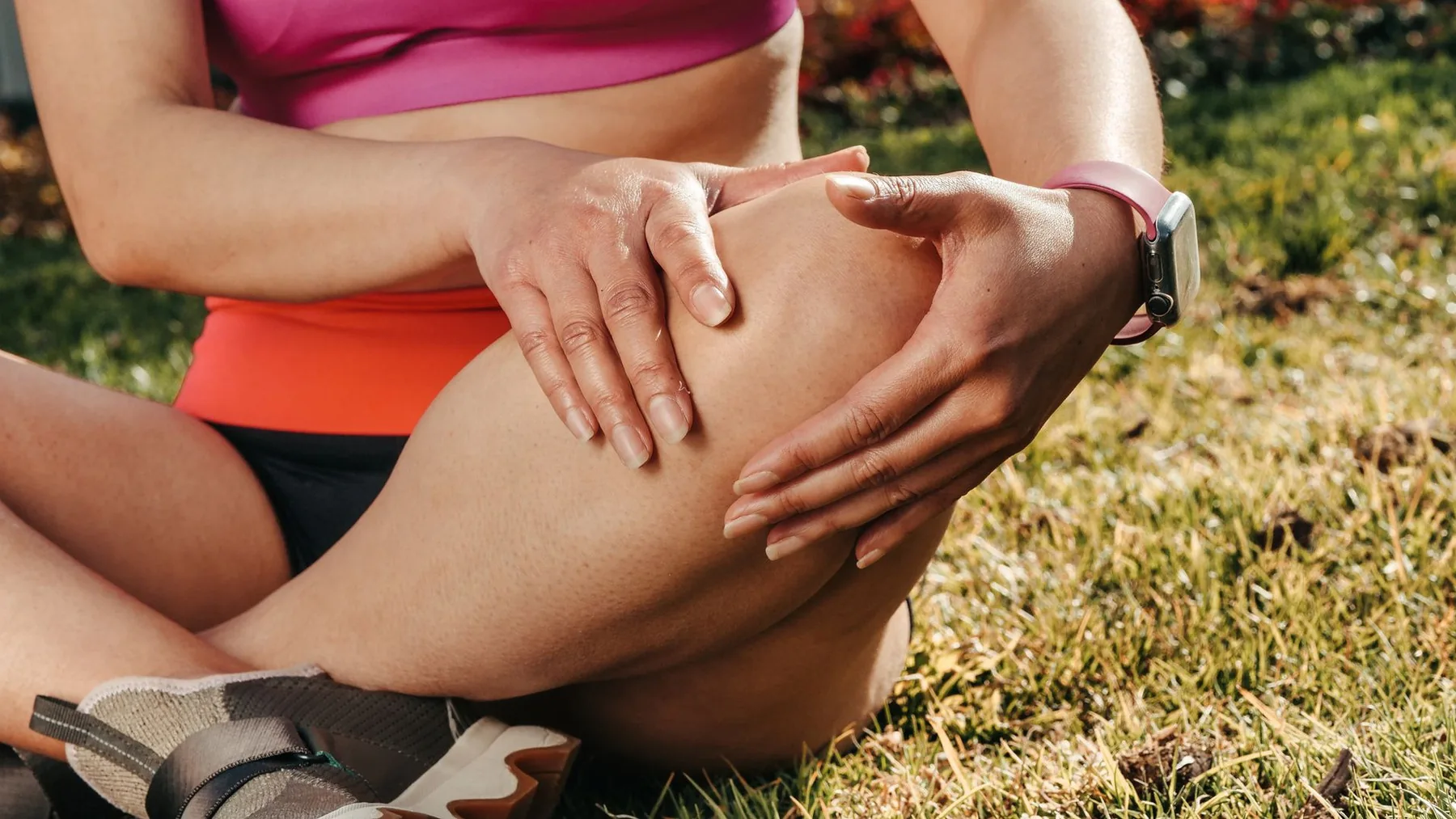
When something does go wrong, a clear diagnosis and plan matter. We’ll explain what we think is injured, how long similar injuries tend to take, and what you can keep doing in the meantime. For common problems such as ankle sprains, muscle strains and tendon pain, see our page on sports injury care.
Off-season
The off-season is when lasting change usually happens. With fewer games, there’s room to build strength, address a stubborn mobility limit, or rehab an old injury properly.
Injury Prevention: What Actually Helps
No treatment can promise you won’t get hurt. What research supports is less glamorous than many people expect, and most of it happens away from the clinic:
- Managing training load. Sudden jumps in running distance, ice time or game minutes are a common thread in overuse injuries. Building up gradually gives tissues time to adapt.
- Strength training. Research supports strength work for lowering the risk of some sports injuries. Hamstring, calf, hip and trunk strength come up again and again.
- Structured warm-ups. Programs such as FIFA 11+ have research support for reducing some injuries in soccer players when they’re done regularly.
- Sleep and recovery. Short sleep and stacked hard days tend to show up in injury and illness patterns.
- Rehabbing properly. A previous injury is one of the clearer risk factors for the next one, which is why finishing rehab matters even after the pain has gone.
Our part is to help you find your weak links, give you a plan that suits your sport and schedule, and keep minor problems from turning into longer layoffs.
Sport on the Saanich Peninsula
The Peninsula is an active place to live and train, and the demands vary widely. Youth and adult soccer and hockey bring sprinting, cutting and contact. Trail runners climb and descend the Mount Work and Gowlland Tod trails, which load calves, knees and ankles. Cyclists on West Saanich Road spend long hours in a flexed position that can stiffen the neck and lower back. Paddlers on Tod Inlet and the Saanich Inlet load the shoulders and trunk, and golfers ask a lot of the hips and mid-back. A useful assessment takes those demands into account rather than treating every athlete the same.
Experience on the Sidelines
Dr. Mike Hadbavny, one of our clinic’s owners, holds a fellowship in chiropractic sports sciences, FRCCSS(C), from the Royal College of Chiropractic Sports Sciences (Canada). The fellowship involves post-graduate study, supervised clinical and sport experience, and examinations focused on sport injury care. He is team chiropractor for Pacific FC and the Victoria Grizzlies, and is Team BC Medical Manager for the 2027 Canada Winter Games. That sideline work shapes how he approaches athletes in clinic: quick, clear decisions about what’s safe to play through and what isn’t.
A Team Approach to Athletic Care
Athletes often do well with more than one set of hands. At Brentwood Chiropractic Group, our chiropractors work alongside our Certified Athletic Therapist, CAT(C), and our Registered Massage Therapists. Athletic therapy is a good fit for progressive rehab, return-to-sport testing and concussion assessment, while massage therapy can help with muscle tension during heavy training blocks. For some chronic tendon problems, we may suggest shockwave at our Saanichton clinic, which you can read about on our shockwave therapy page.
When an injury needs imaging, a physician’s input or a surgical opinion, we refer out and keep working with you on everything else.
When to See a Doctor or Go to Urgent Care
Some sports injuries need medical attention before any hands-on care. Seek urgent help if you have:
- A suspected fracture or dislocation, an obvious deformity, or you can’t put weight on the limb.
- A head injury with worsening headache, repeated vomiting, confusion, increasing drowsiness or weakness. Our concussion care page explains assessment and return-to-play steps once a serious injury has been ruled out.
- Numbness, weakness or loss of bladder or bowel control after a back or neck injury.
- Rapid, large joint swelling, or a knee that locks or keeps giving way.
Getting Started
Whether you’re gearing up for a new season or trying to get past an injury that keeps returning, we’re happy to take a look. You can book a visit at our Brentwood Bay clinic online or by calling 250 223 0200, and we’ll put together a plan that fits your sport and your schedule.