
Working back from an injury in Brentwood Bay? See athletic therapy at our clinic with our Certified Athletic Therapist, CAT(C).
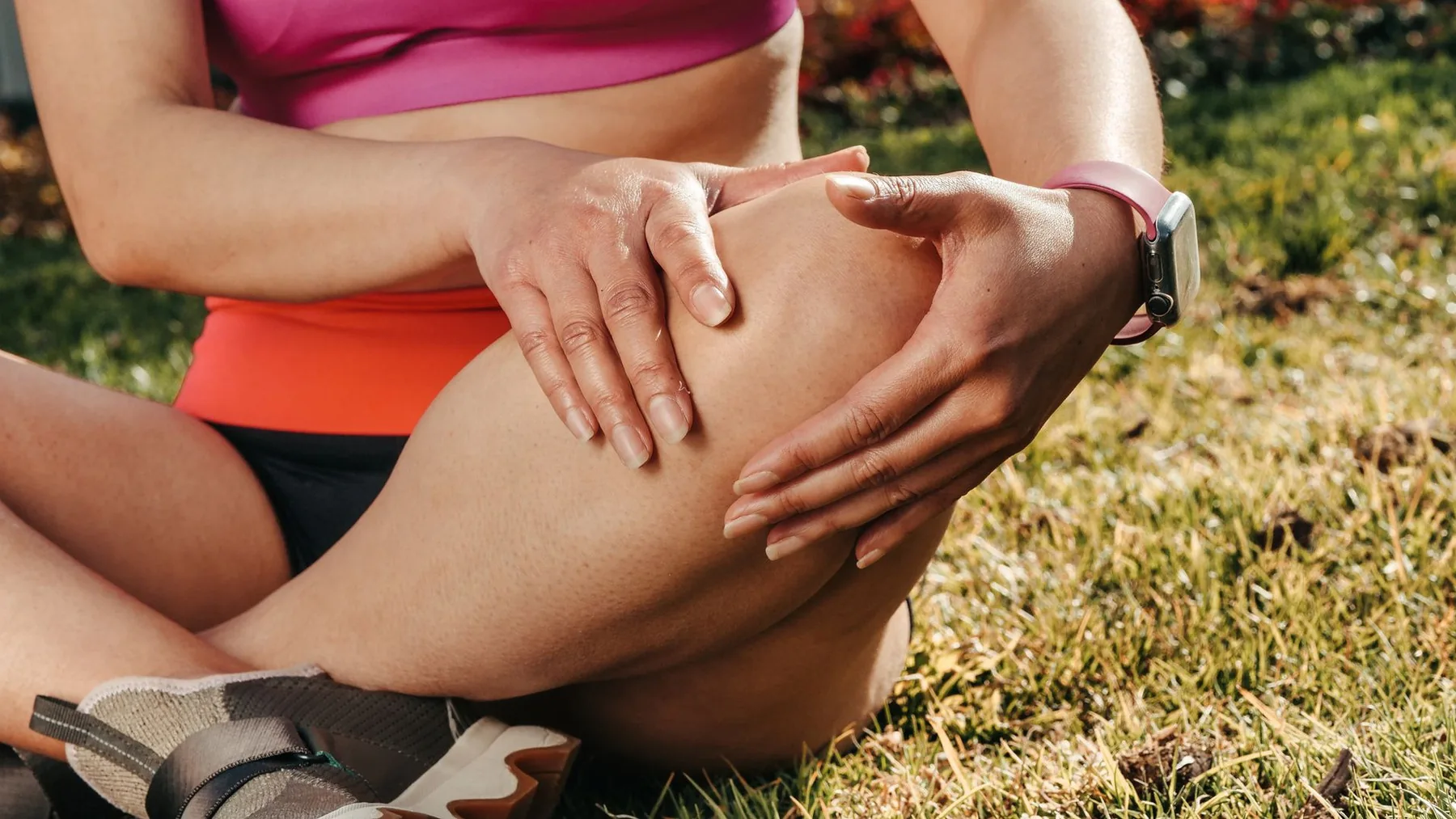
Getting hurt is frustrating. Knowing when you’re ready to go back is often harder. Pain tends to fade before strength returns, and the day an ankle feels fine is rarely the day it’s ready for a full soccer match on a wet field. A return-to-sport plan gives recovery a shape: a series of stages, each with a clear reason to move on to the next.
Below are those stages, the checks that usually sit between them, and how they play out for a few common injuries. It’s general information rather than a plan for your injury.
Why a staged plan works better than waiting for the pain to stop
Rest settles pain, but it doesn’t rebuild the tissue’s ability to handle load. After a few weeks off, muscles lose strength and the balance reflexes that protect a joint get rusty, so the injured area is often the least prepared part of you on game day.
A staged plan adds a little more load, speed or unpredictability at each phase, and you move forward when you meet a set of criteria rather than when a date arrives.
The five stages of a return-to-sport plan
Names vary, but most plans follow a similar arc, and the stages overlap.
1. Settle pain and protect the area
Early on, the goal is to calm things down without shutting everything off. That can mean taping or a brace, modified walking, ice or heat for comfort, and gentle movement that doesn’t provoke a flare. You keep training what you can, such as upper-body work or an easy stationary bike with an injured ankle.
2. Restore range of motion
Once pain is manageable, the next job is getting movement back. A sprained ankle that won’t bend forward fully, or a hamstring that feels tight in a long stride, changes how you move and shifts load onto other areas. Range work is usually simple: controlled stretches, mobility drills and hands-on treatment.
3. Rebuild strength and control
This stage usually takes the longest. Exercises start slow and controlled, then add weight, speed and single-leg or single-arm work. Balance and control drills sit alongside strength, because a strong muscle that switches on late still leaves a joint exposed.
4. Sport-specific drills
Now the program starts to look like your sport. A soccer or rugby player adds running, cutting, slowing down and jumping. A hockey player works on stride and edge control. A trail runner adds hills and uneven ground, and a golfer builds back toward full rotation and a full swing. Drills start predictable and become more reactive.
5. Graded return to training and competition
The last step is usually full team training before games, or shorter, easier outings before a race or a long day out. Minutes, distance or intensity build over several sessions, watching how the injured area responds the next day.
What you usually need to show before moving on
Criteria keep the decision honest. These are typical examples; your plan may use different measures.
| Stage | Main focus | Typical checks before progressing |
|---|---|---|
| Settle pain | Calm the area and keep moving where you can | Walking and daily tasks are comfortable; swelling is settling rather than building |
| Restore range | Joint and muscle mobility | Movement close to the uninjured side; no sharp pain at the end of the range |
| Strength and control | Load, balance and single-limb work | Strength close to the other side on testing; steady single-leg balance |
| Sport-specific drills | Running, cutting, jumping and sport skills | Hop tests and agility drills done with good form and little or no reaction the next day |
| Graded return | Full training, then competition | Full sessions completed without a flare; you feel confident using the injured area |
Confidence matters too. Research after knee injuries has found that fear of re-injury is common and can affect how people play.
How the stages play out for four common injuries
Ankle sprain
A rolled ankle on the Mount Work trails or a soccer pitch is one of the injuries we see most often. Early on, the focus is on swelling, walking comfortably and getting the ankle bending again. Balance training is a big part of the middle stages, since a previous sprain is a known risk factor for another one. Later drills progress from hopping in place to trail running or cutting. Our page on ankle sprain care covers the injury itself in more detail.
Hamstring strain
Hamstring strains tend to happen during sprinting, which is why they’re common in soccer and rugby. After gentle bridges and holds, strength work builds through exercises that load the hamstring while it lengthens, such as Nordic curls, which have research support for lowering the risk of hamstring injury in some sports. Sprinting comes back in steps, from steady running to short accelerations to full speed.
ACL rehab after surgery
Rehab after ACL reconstruction is a long process, usually counted in months rather than weeks, and it follows the surgeon’s protocol. The early stages focus on getting the knee fully straight, managing swelling and getting the quadriceps working again. A long strength phase comes before running, jumping and cutting. Return-to-sport testing commonly compares strength and hop performance between legs, along with time since surgery and confidence. For how we approach the joint more broadly, see our page on knee pain.
Concussion
Concussion has its own stepwise return, based on international consensus guidance. In general terms, the steps run from daily activities that don’t worsen symptoms, to light aerobic exercise such as walking or a stationary bike, then sport-specific exercise, non-contact training drills, full-contact practice after medical clearance, and finally games. Each step usually lasts at least a day, and if symptoms return you step back. Our concussion care page explains assessment at our clinic.
Fitting the final stages to Peninsula sports
The later stages depend on what you’re going back to. A paddler on the Saanich Inlet needs shoulder endurance, trunk rotation and the balance to step into a boat from a moving dock. A cyclist on West Saanich Road needs to tolerate long hours over the bars and stand for the climbs. Hockey players need to handle contact, and golfers need hip and mid-back rotation that lasts 18 holes. The last stage of a plan should look like your weekend.
How our clinic fits in
Our Certified Athletic Therapist builds and guide these programs, from early taping and exercise through to return-to-sport testing. See athletic therapy at our clinic for what a visit includes. Some people also see our chiropractors along the way; sport chiropractic describes that side of things. If your injury came from work, a crash or ordinary daily life rather than sport, our article on why athletic therapy isn’t just for athletes covers those situations.
Frequently asked questions
Can I skip a stage if I feel good?
Feeling good isn’t the same as being ready. If you meet a stage’s checks quickly, you can move through it quickly, but skipping it usually means missing what the next stage depends on.
How do I know if I’m progressing too fast?
Watch how the injured area responds the next morning. Mild soreness that settles within a day is common when load goes up. Pain that’s clearly worse, new swelling or a joint that feels less stable the next day suggests easing back to the previous step for a while.
Will my plan follow my surgeon’s protocol?
Yes. After surgery, the surgeon’s protocol sets the limits for each phase, such as how much weight to put through a leg or how far to move a shoulder. Our Certified Athletic Therapist works within those limits and can share notes with your surgeon or family doctor if you’d like.
Can I keep exercising while I’m injured?
In most cases, yes, in a modified way. Keeping the rest of your body fit makes the later stages easier.
Do I need a referral to start a return-to-sport plan?
No referral is needed. Athletic therapy is included in many extended health plans, and our front desk can direct bill most insurers for you.
If you’re working back from an injury and want a plan built around your sport, you can book online any time or call us at 250 223 0200. Brentwood Chiropractic Group is on West Saanich Road at the lights in Brentwood Bay, with hours 8am to 6pm, Monday to Saturday.