
SI Joint and Pelvic Pain Care in Brentwood Bay
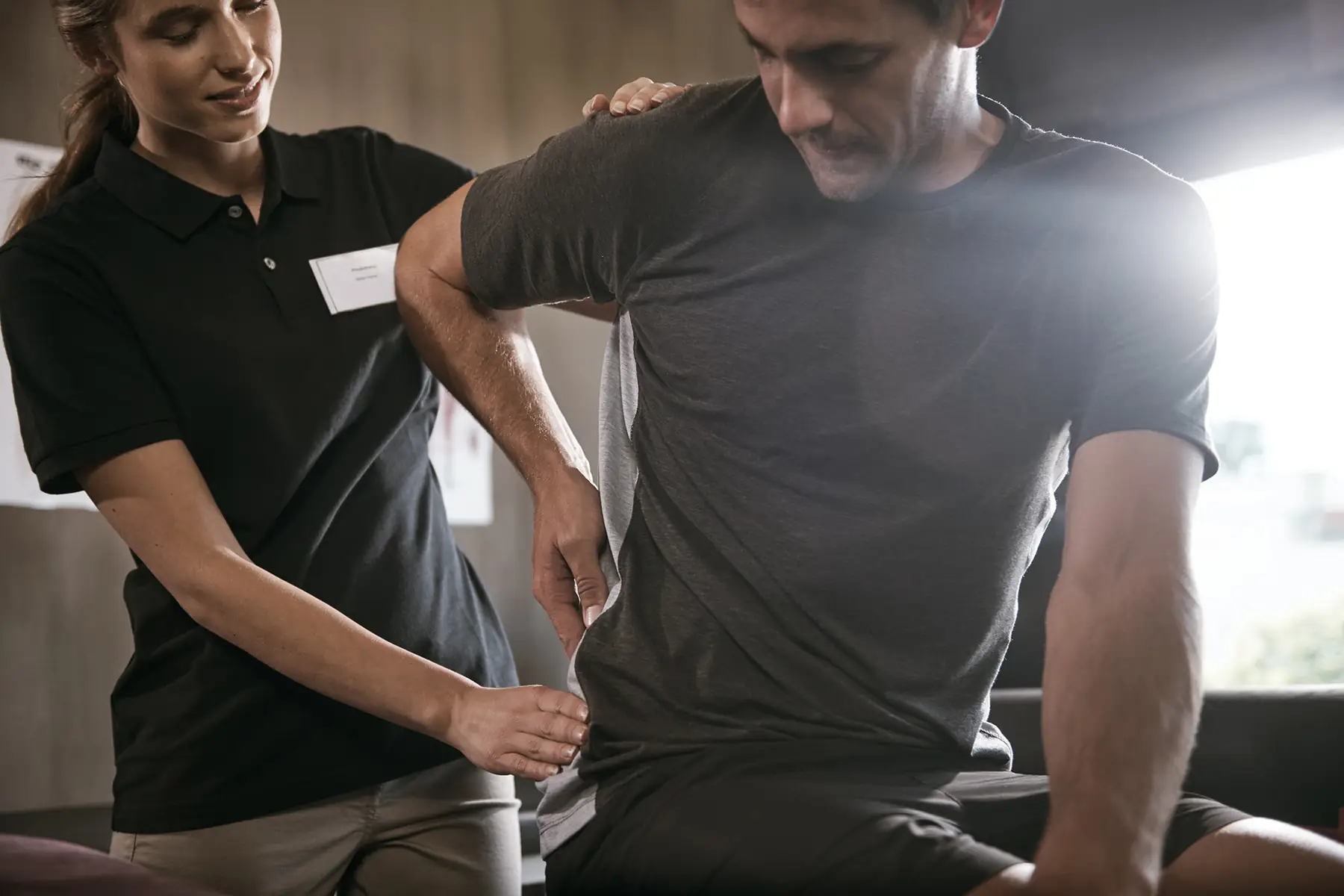
The sacroiliac (SI) joints sit where the base of the spine meets the pelvis, one on each side. When they or the tissues around them become irritated, you may feel a deep ache over one buttock, near the dimple at the back of the pelvis, or sometimes into the back of the thigh.
Our chiropractors in Brentwood Bay assess pelvic and buttock pain to work out whether the SI joint, the low back or the hip is the main source, and plan care that fits your daily routine, your sport or your stage of pregnancy.
No referral needed. Online booking 24/7, or call the front desk and we will find you a time.







SI Joint, Low Back or Hip?
Pain in this area can come from several places. SI joint pain usually sits low and to one side, below the belt line, and may show up when you stand on one leg, climb stairs or roll over in bed. General low back pain tends to sit higher and across the back; see back pain.
Hip joint problems more often cause groin pain and stiffness putting on socks, while nerve pain from the back often travels below the knee (see sciatica). These can overlap, which is why we test each area before deciding on treatment.
What Tends to Set It Off
Pregnancy and after birth
Hormonal changes and a shifting centre of gravity load the pelvis. Our pregnancy chiropractic care adapts positions for comfort.
Uneven loading
Standing with your weight on one leg, carrying a child on one hip, or always stepping off the boat with the same foot.
A fall onto the buttock
Slipping on a wet dock or trail can jar the pelvis and leave one side sore for weeks.
Running and riding
Runners and riders sometimes develop one-sided pelvic pain with mileage or long hours in the saddle. Dr. Ashley Murray, an equestrian, runs rider biomechanics seminars.
Weak or stiff hips
When the hip and glute muscles don’t share the load, more stress can land on the SI joint.
How We Help
- Targeted testing. Provocation tests for the SI joint, along with checks of the low back, hips and nerves.
- Hands-on care. Gentle mobilization or adjustment of the pelvis and low back where appropriate, plus soft tissue work for the glutes and hip muscles.
- Support while it settles. Taping, or advice on a pelvic support belt, may help some people for a short period.
- Strength for the pelvis. Exercises for the glutes, deep abdominals and hips so the pelvis feels steadier on stairs, hills and uneven ground.
- Team options. Registered massage therapy, including prenatal massage, and osteopathic manual therapy can be part of your plan.
Easier Days for a Sore Pelvis
Keep your knees together when getting in and out of the car, and swivel on the seat instead of stepping out one leg at a time. A pillow between your knees at night can make side sleeping more comfortable.
Take stairs one at a time if they hurt, and sit down to put on pants and shoes rather than balancing on one leg. On Gowlland Tod trails, shorter strides on downhill sections may ease the load. In the garden, share heavy work between both sides of your body.
When to See a Doctor or Midwife
Get prompt medical care for pelvic or buttock pain with fever, numbness in the groin or saddle area, changes in bladder or bowel control, or weakness in the legs. Pain after a significant fall or crash, unexplained weight loss or a history of cancer also need a doctor’s review.
During pregnancy, contact your midwife or doctor about bleeding, cramping, fluid loss or pain that doesn’t change with position. We refer out when the assessment calls for it.
Frequently asked questions
Why does SI joint pain flare when I roll over in bed?
Rolling moves each side of the pelvis a little differently, which can load an irritated SI joint. Keeping your knees together, with a pillow between them, often makes it easier.
Can SI joint pain return after pregnancy?
Some people notice it in the months after birth, especially with lifting and carrying a baby. Strengthening the hips and core and pacing activity may help. Postpartum care can start whenever you feel ready.
Do I need a belt for my pelvis?
Some people find a pelvic belt gives short-term support, particularly in pregnancy. It isn’t right for everyone, and we’ll talk through whether it makes sense for you.
Can riding or running aggravate SI joint pain?
Yes, especially if one side works harder than the other. We look at how you move in your sport and may suggest changes to training load or technique while things settle. See our sports injury page.
Is SI joint care covered by extended health?
Chiropractic, massage therapy and osteopathic care are often included in extended health plans, and we direct bill most plans. Coverage varies, so check your plan or ask our front desk.



Ready to book in Brentwood Bay?
Open Monday to Saturday, 8:00am – 6:00pm. Direct billing to most extended health plans, ICBC and WorkSafeBC.