
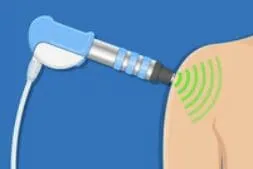
Shockwave therapy is offered at our sister clinic in Saanichton, about 10 minutes from Brentwood Bay; see shockwave therapy. For shoulder care in Brentwood Bay, see shoulder pain treatment at our clinic.
Shoulder conditions can significantly impact one’s daily life, causing pain, limited mobility, and reduced quality of life. Traditional treatments like medication and physical therapy may not always provide the desired results. Shockwave Therapy, a non-invasive treatment, has become an option for various shoulder conditions.
In this blog, we will explore the benefits of Shockwave Therapy for shoulder conditions, and who it may help. Shockwave is offered at our sister clinic, Saanichton Chiropractic Group, about 10 minutes from Brentwood Bay; it is not offered at our Brentwood Bay clinic.
Section 1: Understanding Shoulder Conditions
1.1 The Anatomy of the Shoulder
The shoulder is a complex joint consisting of the clavicle (collarbone), scapula (shoulder blade), and humerus (upper arm bone). It is surrounded by muscles, tendons, and ligaments that allow for a wide range of motion. Understanding the shoulder’s intricate anatomy is crucial in diagnosing and treating shoulder conditions effectively.
1.2 Common Shoulder Conditions - Rotator Cuff Injuries, Frozen Shoulder, Tendinitis, and Bursitis
There are several common shoulder conditions that can cause pain and discomfort. These include:
- Rotator Cuff Injuries: Tears or inflammation in the rotator cuff tendons.
- Frozen Shoulder (Adhesive Capsulitis): A condition characterized by stiffness and limited shoulder movement.
- Tendinitis: Inflammation of the tendons in the shoulder.
- Bursitis: Inflammation of the bursa sac, which provides cushioning between tendons and bones.
Section 2: The Advancement of Shockwave Therapy
2.1 What is Shockwave Therapy?
Shockwave Therapy, also known as Extracorporeal Shock Wave Therapy (ESWT), is a non-invasive medical treatment that uses acoustic waves to stimulate healing in injured tissues. It is used in orthopedics, sports medicine, and rehabilitation.
2.2 How Shockwave Therapy Works for Shoulder Conditions
During a Shockwave Therapy session, high-energy acoustic waves are directed at the affected area of the shoulder. These waves create microtrauma, promoting blood flow, collagen production, and tissue repair. The increased circulation and cellular activity are thought to support the body’s healing processes.
2.3 Key Benefits of Shockwave Therapy for Shoulder Pain
Shockwave Therapy offers several benefits for individuals suffering from shoulder conditions, including:
- Non-invasive: Shockwave Therapy is a non-surgical and non-invasive treatment option, minimizing the risk of complications.
- Pain Relief: It may reduce pain for some people with stubborn tendon problems.
- Works Alongside Rehab: It is usually combined with a shoulder exercise program.
- Improved Mobility: Shockwave Therapy can enhance shoulder mobility and range of motion.
- Minimal Downtime: The procedure is usually quick and requires minimal downtime, allowing patients to resume their daily activities shortly after treatment.
Section 3: Getting Shockwave Therapy Near Brentwood Bay
3.1 Where Shockwave Is Offered
Shockwave Therapy is not offered at Brentwood Chiropractic Group in Brentwood Bay. Our sister clinic, Saanichton Chiropractic Group (6981 East Saanich Road, Saanichton), offers it, and the practitioners there are trained in its use. See shockwave therapy for details.
3.2 Choosing the Right Shockwave Therapy Provider
When choosing a Shockwave Therapy provider, ask about the practitioner’s training, how they assess your shoulder first, and how shockwave fits with a rehab exercise plan.
3.3 The Treatment Process - What to Expect
The Shockwave Therapy treatment process typically starts with an initial consultation and evaluation by a qualified practitioner. The treatment sessions themselves are often brief, lasting around 5-15 minutes per session. The number of sessions required may vary depending on the severity of the shoulder condition. Response varies from person to person; a short series of sessions is common.
3.4 Safety and Side Effects
Shockwave Therapy is considered safe for most patients, but some individuals may experience mild side effects such as redness or soreness in the treated area. These side effects are usually temporary and subside shortly after the treatment.
Section 4: What the Research Shows
4.1 Scientific Studies on the Efficacy of Shockwave Therapy for Shoulder Conditions
Research supports shockwave therapy for calcific tendinitis of the shoulder, and some studies show improvements in pain and function. Evidence for other shoulder conditions is more mixed.
Section 5: Comparing Shockwave Therapy with Traditional Treatments
5.1 Shockwave Therapy vs. Surgery - Which is the Better Option?
For some shoulder conditions, surgery may be recommended as a last resort. Shockwave is non-surgical and involves little downtime, so for suitable conditions it is often tried, along with rehab exercise, before surgery is considered. Your practitioner and family doctor can talk through the options for your shoulder.
5.2 Shockwave Therapy vs. Medication - Advantages and Disadvantages
Traditional pain medications may provide temporary relief, but they do not address the underlying cause of the shoulder condition. Shockwave is aimed at the sore tendon itself and is usually combined with exercise; your family doctor or pharmacist can advise you on medication.
Section 6: Preparing for Shockwave Therapy
6.1 Consultation and Evaluation Before Shockwave Therapy
Before undergoing Shockwave Therapy, patients will have an initial consultation with a practitioner who will evaluate their shoulder condition and medical history. This assessment helps determine the appropriateness of Shockwave Therapy for the patient’s specific case.
6.2 Lifestyle Changes and Pre-Treatment Preparations
In some cases, lifestyle adjustments or pre-treatment preparations may be recommended to optimize the outcomes of Shockwave Therapy. These may include exercises, dietary modifications, or avoiding certain activities that could exacerbate the shoulder condition.
Section 7: The Healing Journey - During and After Treatment
7.1 The Role of Chiropractic Care Alongside Shockwave Therapy
Chiropractic care is often recommended in conjunction with Shockwave Therapy to enhance the treatment’s effectiveness. Chiropractors can design personalized exercise programs and provide guidance for patients to follow during their recovery.
7.2 Managing Expectations - The Healing Timeline
The healing timeline following Shockwave Therapy varies depending on the individual and the specific shoulder condition being treated. Tendons adapt slowly, so changes are usually gradual over several weeks, and your practitioner will review your progress at each visit.
7.3 Preventative Measures and Long-Term Shoulder Health
After completing Shockwave Therapy, patients may be advised to continue with certain exercises or lifestyle changes to prevent future shoulder issues. Practicing good shoulder health habits can help maintain the positive outcomes achieved through the treatment.
Section 8: Frequently Asked Questions about Shockwave Therapy
8.1 Is Shockwave Therapy Painful?
Shockwave Therapy is generally well-tolerated, with most patients experiencing only mild discomfort during the procedure. Pain levels during the treatment can vary depending on the individual’s pain threshold and the specific shoulder condition being treated.
8.2 How Many Sessions Are Required for Optimal Results?
The number of Shockwave Therapy sessions required will depend on the severity of the shoulder condition and the individual’s response to treatment. Some patients may experience relief after just a few sessions, while others may need more. On average 2 to 4 sessions.
8.3 Can Anyone Receive Shockwave Therapy?
Most individuals with shoulder conditions are eligible for Shockwave Therapy. However, it may not be suitable for certain groups, such as pregnant women, individuals with blood clotting disorders, or those with certain medical conditions. A thorough evaluation with a qualified practitioner will determine the suitability of the treatment for each patient.
8.4 What Conditions Can Benefit from Shockwave Therapy?
Shockwave Therapy has research support for calcific tendinitis of the shoulder and has been studied for other rotator cuff tendon problems. It may also be beneficial for other musculoskeletal issues, such as plantar fasciitis, tennis elbow, and Achilles tendinopathy.
Section 9: Practical Tips for Patients Considering Shockwave Therapy
9.1 Local Availability
For people in Brentwood Bay, Central Saanich and the rest of the Peninsula, shockwave therapy is available at our Saanichton clinic, about 10 minutes from Brentwood Bay.
9.2 Tips Before You Start
Before you start, ask your practitioner how to manage activity between sessions, which exercises to keep doing, and what soreness to expect after treatment. Following the full plan, including your home exercises, matters as much as the sessions themselves.
Section 10: Looking After Your Shoulders
10.1 The Importance of Early Intervention and Seeking Professional Help
If shoulder pain isn’t settling, getting it assessed helps you understand what’s going on and start a plan that suits you.
10.2 Tips for Shoulder Health and Injury Prevention
Keep your shoulders strong with regular rotator cuff and shoulder blade exercises, build up overhead work and training loads gradually, and take breaks from long periods of reaching or desk work.
10.3 Resources and Support for Brentwood Residents Seeking Shoulder Pain Relief
Shoulder assessment, chiropractic care and rehab are available at our Brentwood Bay clinic, and shockwave therapy at our Saanichton clinic, about 10 minutes away.
Conclusion
Shockwave Therapy is a non-invasive option with research support for some stubborn shoulder conditions, especially calcific tendinitis. Through this blog, we have explored how it works, what the research shows and what to expect. If you or your loved ones are suffering from shoulder pain or conditions, consider consulting with our team: shoulder assessment and rehab are available in Brentwood Bay, and shockwave therapy at our Saanichton clinic.